

Summary
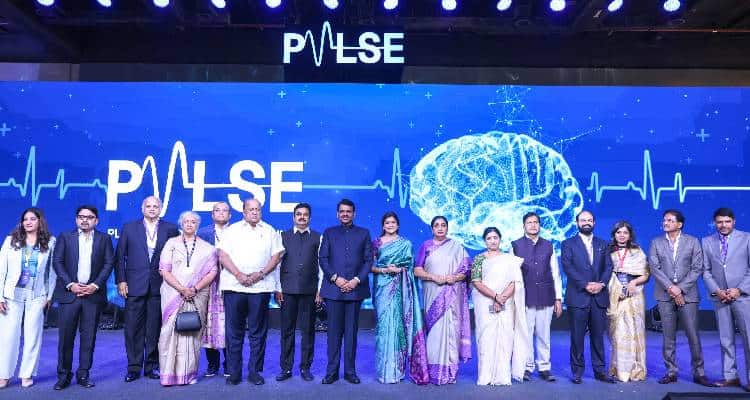
Maharashtra is working toward a major goal to become a top global location for medical care and recovery by the year 2047. At the PULSE 2026 summit, Chief Minister Devendra Fadnavis explained that the state wants to combine modern technology with easy access for all citizens. The plan focuses on making healthcare a major part of the state's economy through new ideas, money from investors, and partnerships with global experts. This effort aims to ensure that every person in the state can find high-quality medical help close to their home.
Main Impact
The biggest change coming to Maharashtra is the shift from traditional medical services to a high-tech, integrated system. By focusing on innovation, the state is trying to attract international patients and researchers. This move is expected to create many new jobs and bring in significant investment from around the world. The government is not just looking at healthcare as a service for the sick, but as a way to grow the state's wealth and reputation. If successful, Maharashtra could become a leading name in medical tourism, where people travel from other countries to receive treatment and recover in wellness centers.
Key Details
What Happened
The PULSE 2026 event was a two-day meeting that brought together government leaders, doctors, teachers, and business experts. During the event, the Chief Minister and other officials talked about how the state will change its medical system over the next ten years. They discussed using tools like artificial intelligence (AI) to help doctors make better decisions and using digital platforms to reach people in far-away villages. The summit also served as a place for different groups to sign agreements to work together on new medical projects and building better hospitals.
Important Numbers and Facts
One of the most important goals mentioned was the "5 to 8 kilometer" rule. The government wants to make sure that every citizen can find a good hospital or clinic within 5 to 8 kilometers of where they live. To help with this, the state is increasing the number of seats for students who want to become specialist doctors. They are also building a three-tier system for cancer treatment. This means there will be local, regional, and central hospitals working together so that cancer patients do not have to travel long distances for every check-up or treatment session.
Background and Context
For a long time, getting high-quality medical care in India often meant traveling to a few big cities. Maharashtra wants to change this by spreading out medical resources. The state is following a long-term plan called the 2047 vision, which aligns with national goals for development. As the population grows, the demand for better hospitals and faster treatment increases. By using technology like virtual hospitals and AI, the state hopes to solve the problem of not having enough doctors in rural areas. This plan also includes "Ayush," which refers to traditional Indian medicine like Ayurveda and Yoga, to offer a complete healing experience for visitors.
Public or Industry Reaction
Leaders in the medical field and government officials have shown strong support for these plans. Deputy Chief Minister Sunetra Pawar mentioned that PULSE 2026 is a vital step toward a future where digital health tools help everyone, even those in the most remote areas. Hasan Mushrif, the Minister for Medical Education, pointed out that the state is already working hard to improve hospital buildings and school programs for future doctors. Experts from universities, such as Vishwajeet Kadam from Bharati Vidyapeeth, added that schools and businesses must work together to make sure new research actually helps patients in the real world. The general feeling is that the state is moving in the right direction by mixing technology with traditional care.
What This Means Going Forward
In the coming years, residents of Maharashtra can expect to see more digital tools in their local clinics. There will likely be more "virtual hospitals" where patients can talk to specialist doctors through a computer or phone. The state will also focus more on "medical data sovereignty," which is a way to keep patient information safe and private while using it to improve treatments. For the business world, this means more opportunities to build hospitals and research centers. The government will continue to sign deals with global companies to bring the latest medical machines and methods to the state. The focus will remain on making sure these high-tech options stay affordable for the average person.
Final Take
Maharashtra is taking a bold step by trying to lead the world in medical care. By setting a clear goal for 2047 and focusing on both high-tech AI and basic local access, the state is creating a model that others may follow. The success of this plan will depend on how well the government, doctors, and tech companies work together to turn these big ideas into real services for the people. If they succeed, the state will not only improve the lives of its own citizens but also become a global destination for healing and innovation.
Frequently Asked Questions
What is the 5 to 8 kilometer goal?
The government of Maharashtra wants to ensure that every citizen has access to a quality healthcare center within 5 to 8 kilometers of their home to make medical help easier to reach.
How will AI be used in Maharashtra's healthcare?
Artificial intelligence will be used to help doctors diagnose diseases more accurately, manage patient data, and provide better learning tools for medical students.
What is medical tourism?
Medical tourism is when people travel to another state or country to get medical treatment. Maharashtra wants to attract these visitors by offering high-quality hospitals and traditional wellness centers.