

Summary
Hospitals are changing from simple buildings into smart systems that use artificial intelligence (AI) and robots. These new systems do more than just help with surgery; they connect every part of the hospital to improve patient care. By using real-time data, these facilities can predict when a patient might get sicker and manage resources like beds and medicine more effectively. This shift marks a move from just treating sickness to actively keeping people healthy through technology.
Main Impact
The biggest impact of these smart systems is the creation of a "digital twin" of the hospital. This is a computer model that tracks everything happening in the physical building. It allows the hospital to act like a living thing that can see and react to problems. For example, if a room becomes empty, the system automatically tells a robot to clean it and move a new patient in. This reduces wait times and makes sure doctors and nurses can focus on medical care instead of paperwork or chores.
Key Details
What Happened
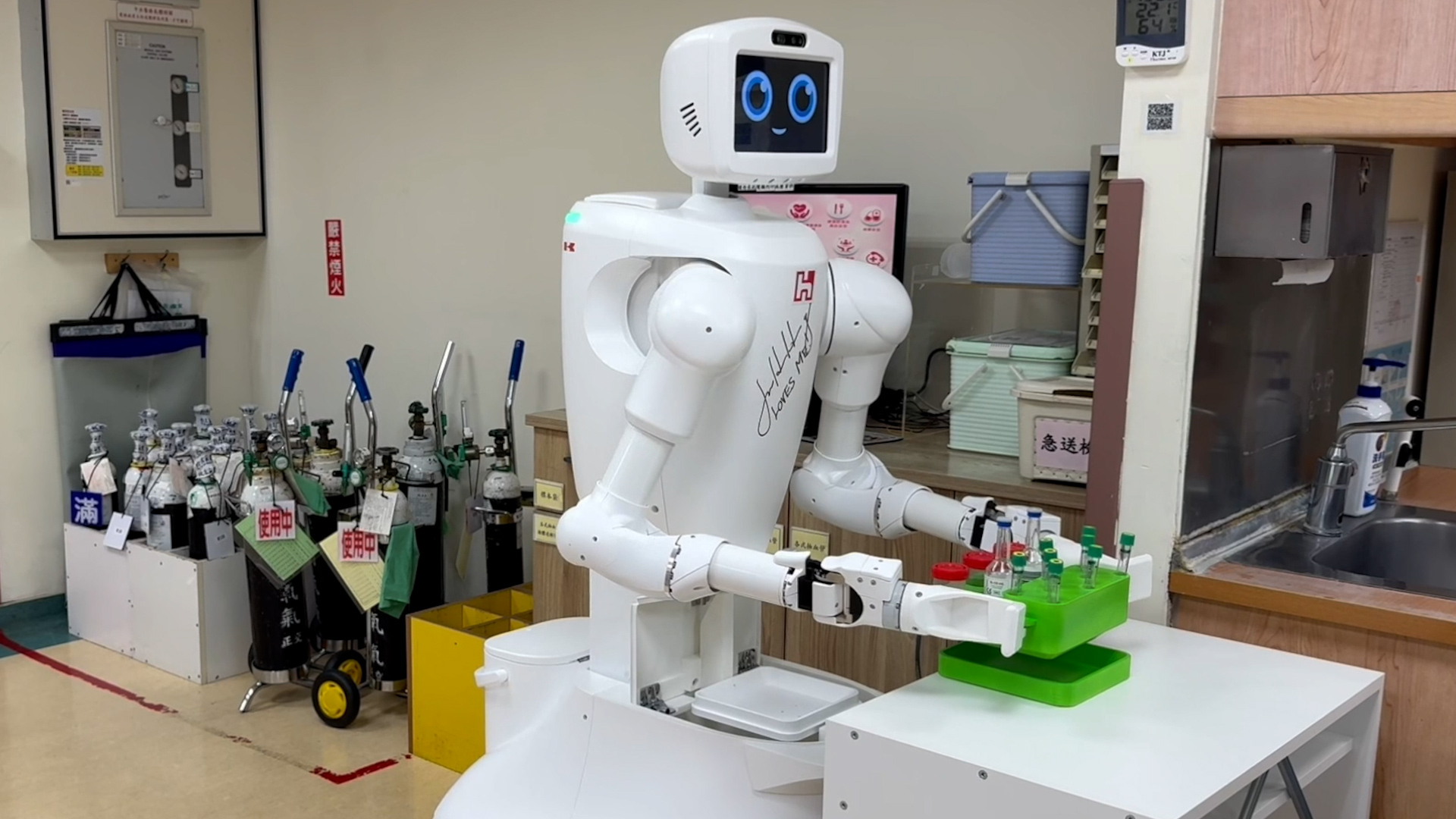
Modern healthcare is moving away from using separate machines that do not talk to each other. Instead, hospitals are installing a unified system where AI acts as the brain and robots act as the hands. These robots handle tasks like moving blood samples, preparing IV bags, and even helping surgeons during operations. The goal is to create a smooth flow of information and physical work that never stops.
Important Numbers and Facts
Smart hospitals use thousands of sensors to monitor the environment. These sensors track things like temperature, humidity, and how many people are in a room. By looking at this data, the system can lower energy use by adjusting lights and air conditioning when rooms are empty. Additionally, AI can look at a patient's heart rate and walking patterns to predict a fall or a heart problem before it happens. This early warning can save lives and shorten the time a person needs to stay in the hospital.
Background and Context
This change is happening because healthcare is becoming more complex. There is a global shortage of nurses and doctors, which puts a lot of pressure on hospital staff. Robots can take over the heavy or repetitive parts of the job, such as lifting patients or delivering supplies. At the same time, digital health tools have improved enough to handle the massive amount of data a hospital produces every day. By using these tools, hospitals can run more like a high-tech company, making sure no time or medicine is wasted.
Public or Industry Reaction
Experts in the medical field are excited but also careful. Many doctors welcome the "second set of eyes" that AI provides when looking at X-rays or CT scans. However, there are concerns about privacy and how to keep patient data safe from hackers. There is also a push for "Explainable AI." This means that when a computer gives a medical suggestion, it must be able to explain why it made that choice so the doctor can double-check the logic. Hospital leaders are also creating new jobs, like Chief Health Information Officers, to manage these complex digital systems.
What This Means Going Forward
In the future, the idea of a hospital might change completely. We are moving toward a "hospital without walls." This means that the same smart systems used in the building will follow a patient home. Small robots or wearable sensors will monitor a person's recovery in their own living room. If something goes wrong, the hospital's AI will know immediately. We may also see tiny robots, called nanobots, that can travel inside the body to deliver medicine exactly where it is needed. The focus will be on keeping the patient connected to care at all times.
Final Take
The rise of intelligent robotics is not about replacing human doctors with machines. Instead, it is about giving medical professionals better tools to do their jobs. By taking over logistics and data analysis, these systems allow humans to focus on the emotional and complex parts of healing. As these technologies become more common, hospitals will become safer, faster, and more personal for every patient.
Frequently Asked Questions
Will robots replace nurses and doctors?
No, robots are designed to help with repetitive and heavy tasks. This gives nurses and doctors more time to focus on direct patient care and making important medical decisions.
Is my medical data safe in a smart hospital?
Smart hospitals use advanced security and encryption to protect patient information. However, keeping this data safe is a top priority and a constant challenge for technology experts.
How does AI help in an emergency?
AI can monitor patient vitals in real-time and alert the medical team the moment it sees a dangerous pattern. This allows doctors to act much faster than they could by checking monitors manually.