
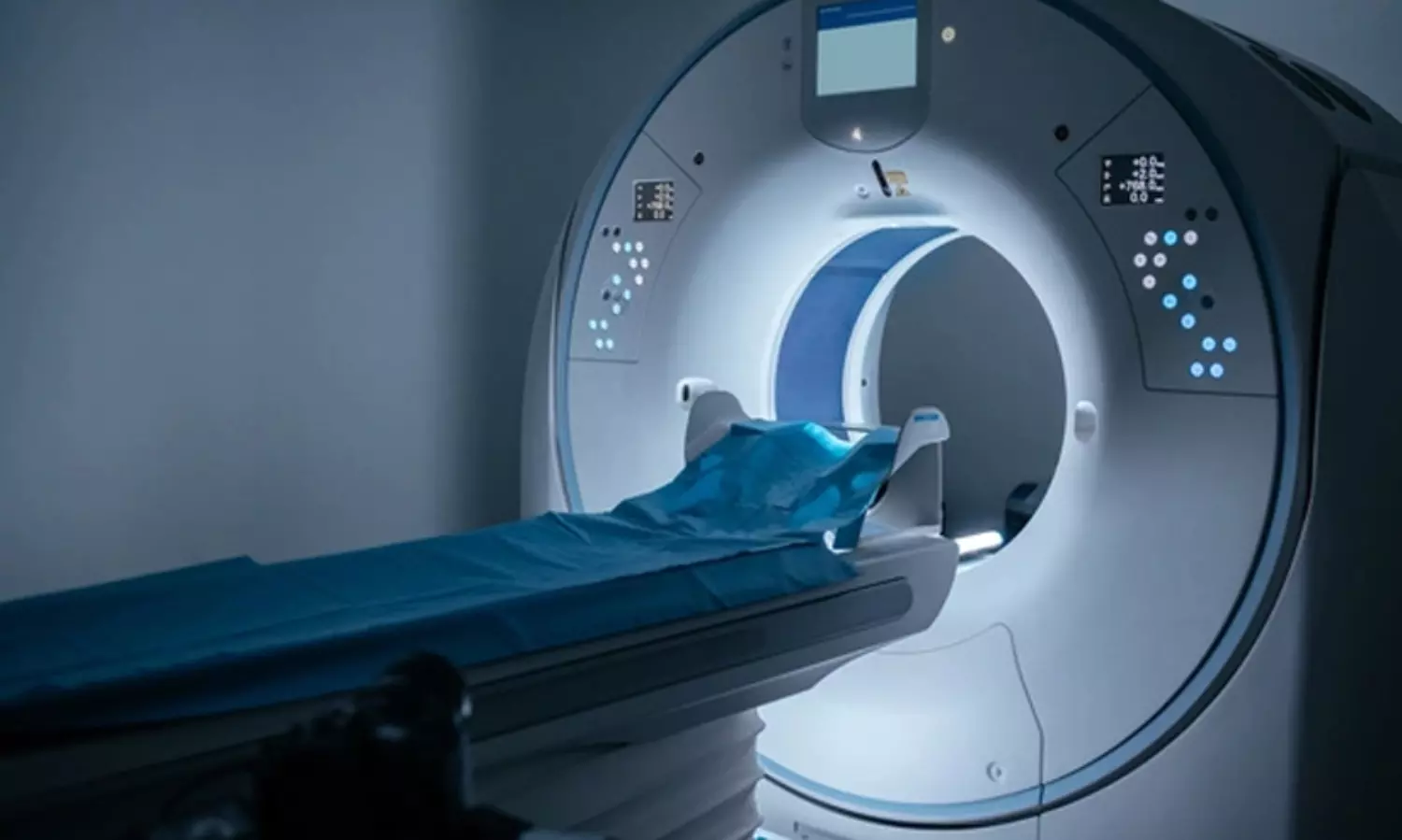

New Delhi: Concerns over a potential helium shortage impacting India’s MRI diagnostics network may be overstated, according to healthcare experts, despite recent geopolitical tensions affecting global supply chains.
Fears emerged after reports of damage to energy infrastructure in Ras Laffan, a major industrial hub in Qatar and a key global source of liquid helium, amid the ongoing conflict involving the United States, Israel, and Iran. The incident triggered speculation that countries reliant on helium imports, including India, could face disruptions in MRI services.
However, industry leaders and radiologists have downplayed the likelihood of any immediate impact on diagnostic operations.
Magnetic Resonance Imaging (MRI), a critical diagnostic tool used for detecting neurological, musculoskeletal, and cardiovascular conditions, relies on liquid helium to cool its superconducting magnets. India currently has an estimated 5,000 to 7,000 MRI machines installed across public and private healthcare facilities.
Experts note that most modern MRI systems are equipped with “zero boil-off” technology, which significantly reduces helium dependency. These systems are designed to retain helium within a sealed environment, preventing evaporation under normal conditions.
As a result, helium is primarily required only during installation, and machines can operate for years without refilling unless there is a technical fault or leakage.
Older MRI machines that still require periodic helium top-ups now represent a declining share of the installed base. In such cases, maintenance schedules are typically planned in advance, allowing healthcare providers to maintain adequate запас reserves.
Additionally, global helium supply is not limited to Qatar. Major producers such as the United States and Australia contribute to a diversified supply chain, often supported by long-term contracts and strategic reserves. Analysts note that the helium market has historically demonstrated resilience to regional disruptions.
While a supply crunch appears unlikely in the near term, experts caution that rising helium prices could marginally increase the cost of new MRI installations. However, given that MRI machines typically cost between ₹7 crore and ₹20 crore, a moderate increase in helium prices is not expected to significantly affect procurement decisions.
For now, hospitals and diagnostic centres across India are expected to continue MRI services without interruption. Experts emphasise that while the current situation highlights the healthcare sector’s exposure to global geopolitical risks, there is no immediate cause for concern regarding service availability.