

Summary
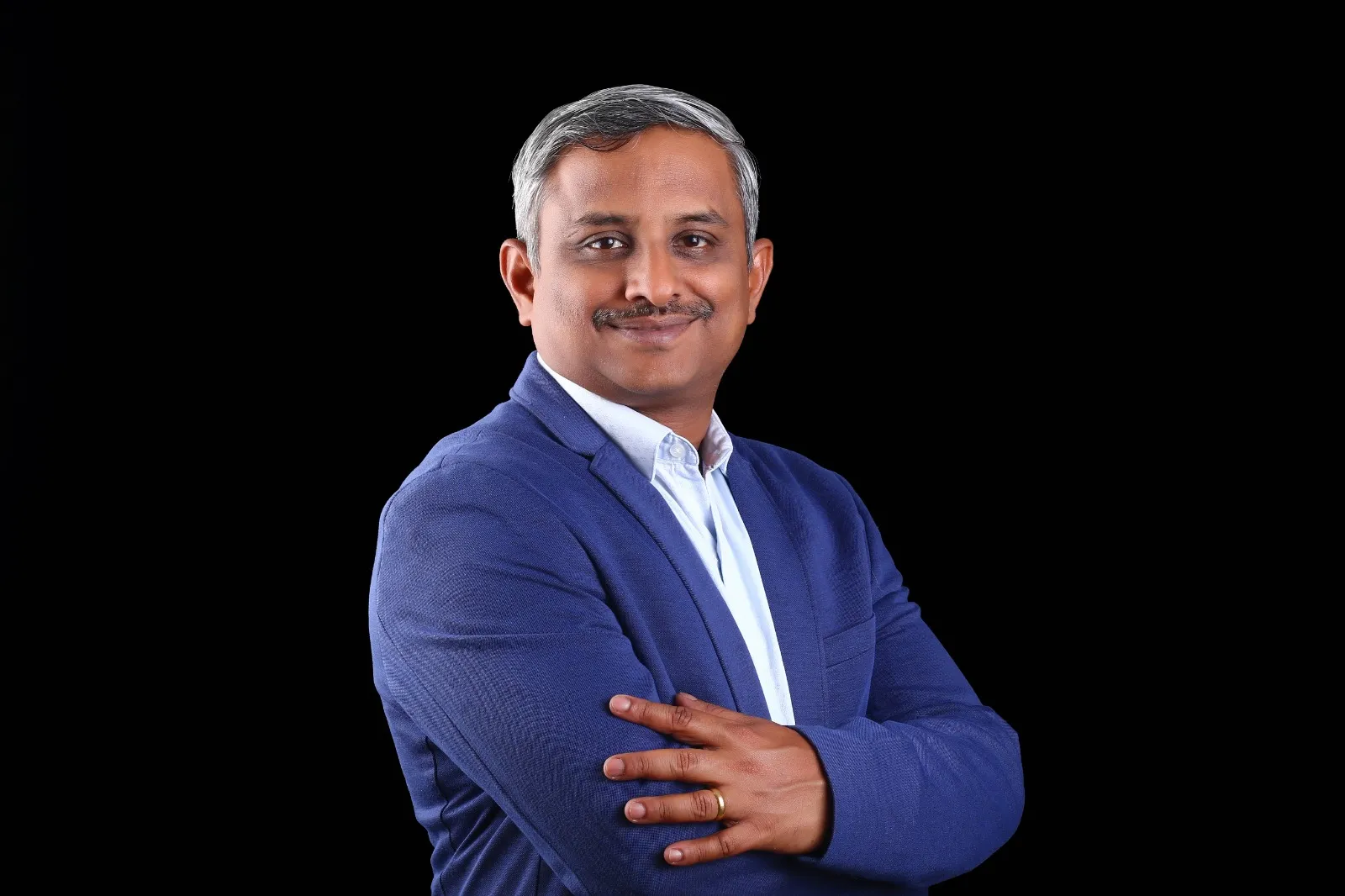
Dr. Vikram Huded has been elected as the new President of the Indian Stroke Association (ISA). He is a highly respected doctor who specializes in treating brain and nerve conditions. Upon taking this new role, he launched a major program called "Save the Brain." This initiative aims to fix the broken system of stroke care in India and ensure that patients get the help they need as quickly as possible. This change is expected to help thousands of people survive strokes with fewer long-term health problems.
Main Impact
The appointment of Dr. Huded marks a shift toward a more organized way of handling medical emergencies in India. Currently, stroke care is often disconnected, meaning that help depends heavily on where a person lives. The "Save the Brain" campaign focuses on creating a unified network of hospitals and doctors. By making stroke care more accessible, the initiative aims to reduce the high rates of death and disability caused by brain blockages. This move brings modern medical techniques to the forefront of public health strategy.
Key Details
What Happened
Dr. Vikram Huded was chosen by his colleagues to lead the Indian Stroke Association, a group that includes more than 1,400 neurologists. Dr. Huded is well-known for his work at Narayana Health, where he serves as the Director of Interventional Neurology. He is considered a leader in using small tools and tubes to fix blood vessels in the brain without needing to perform traditional open surgery. His new role at the ISA gives him the platform to influence how strokes are treated across the entire country.
Important Numbers and Facts
The Indian Stroke Association is a large and influential body with over 1,400 members who are experts in brain health. Strokes are currently one of the leading causes of death in India. They are also a primary cause of permanent physical disability. The "Save the Brain" campaign will focus on the "golden hour," which refers to the first few hours after a stroke begins. Medical data shows that patients who receive treatment within this short window have a much higher chance of making a full recovery.
Background and Context
A stroke happens when the blood flow to a part of the brain is stopped. This can be caused by a clot blocking a vessel or a vessel bursting. When the brain does not get oxygen, its cells begin to die very quickly. In India, many people live far away from specialized hospitals. Even in big cities, traffic and a lack of awareness can delay treatment. Many families do not recognize the early signs of a stroke, such as a drooping face, arm weakness, or difficulty speaking. Because of these delays, many patients arrive at the hospital too late for doctors to reverse the damage. Dr. Huded’s work aims to solve these specific problems by teaching the public and organizing medical resources.
Public or Industry Reaction
The medical community has responded positively to Dr. Huded’s election. Other doctors and health experts believe his experience in advanced brain procedures will help the ISA adopt newer technologies. Many health professionals have noted that India needs a leader who understands both the clinical side of medicine and the logistical challenges of reaching patients in remote areas. The "Save the Brain" campaign is being seen as a necessary step to bring India’s emergency response systems up to the standards seen in other developed nations.
What This Means Going Forward
In the coming months, the ISA is expected to roll out new training programs for doctors and nurses. The goal is to create more "stroke-ready" hospitals that can provide 24-hour emergency care. There will also be a push to use technology, such as mobile apps or better ambulance coordination, to get patients to the right hospital faster. Public education will be a major part of the plan. If more people can identify a stroke the moment it happens, they can call for help sooner. This proactive approach is designed to lower the overall burden of stroke-related illnesses on families and the healthcare system.
Final Take
Improving how a country handles strokes requires more than just smart doctors; it requires a system that works together. With Dr. Vikram Huded at the helm of the Indian Stroke Association, there is a clear plan to build that system. The "Save the Brain" initiative is a vital effort to ensure that a person’s survival does not depend on luck, but on a fast and reliable medical response. This leadership change could be the start of a new era for emergency brain care in India.
Frequently Asked Questions
Who is Dr. Vikram Huded?
Dr. Vikram Huded is a leading neurologist and the Director of Interventional Neurology at Narayana Health. He was recently elected as the President of the Indian Stroke Association.
What is the "Save the Brain" campaign?
It is a new initiative aimed at improving stroke care in India. It focuses on faster treatment, better hospital coordination, and teaching the public how to recognize stroke symptoms.
Why is the "golden hour" important for stroke patients?
The "golden hour" is the critical period immediately after a stroke starts. Getting medical help during this time can prevent permanent brain damage and save the patient's life.