
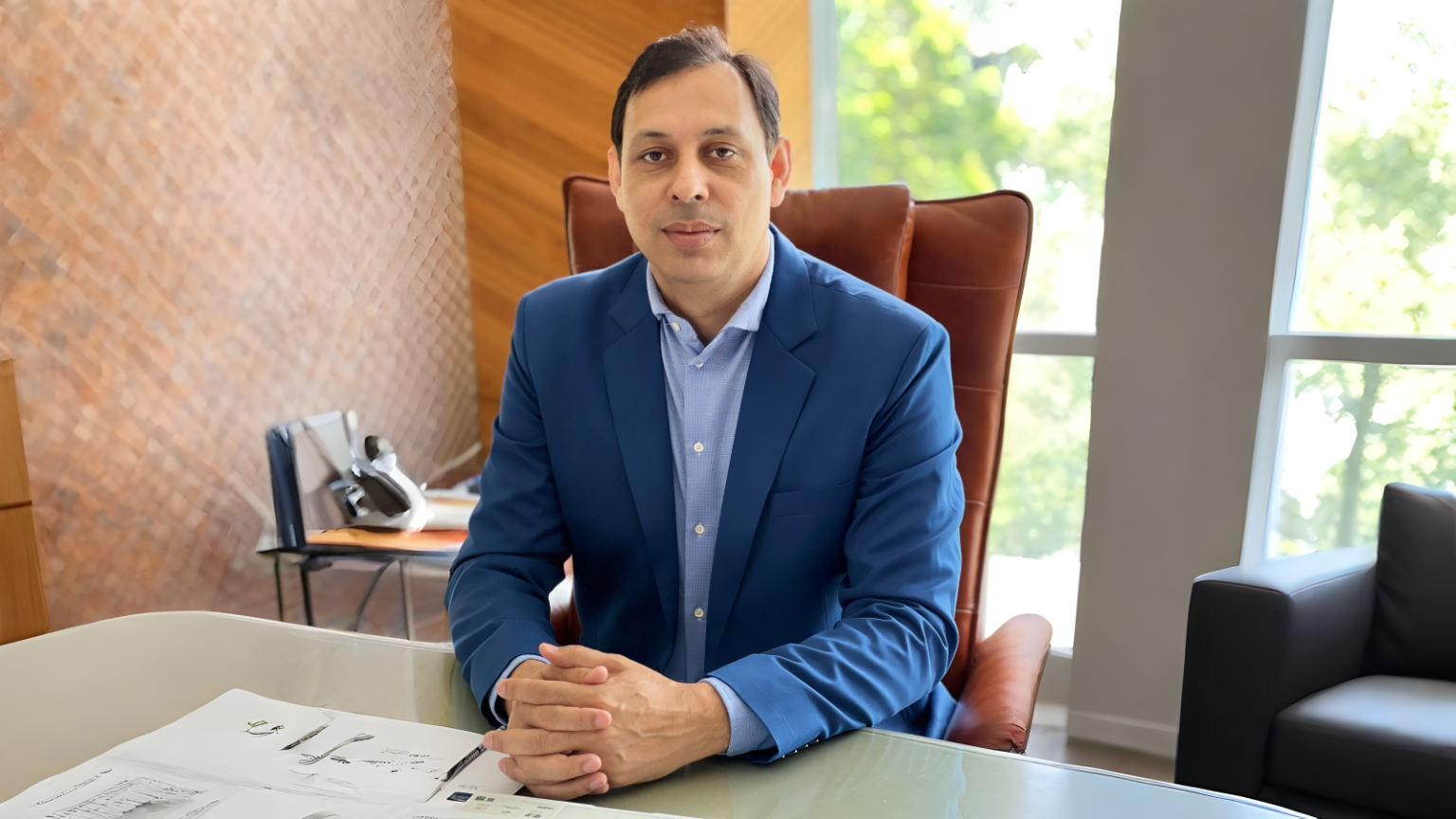

In this edition of Experts Corner, Anuj Chahal, Founder and CEO of Maverick Simulation Solutions, shares insights into his entrepreneurial journey, the inspiration behind his work, and his vision for strengthening clinical readiness in India’s evolving healthcare landscape.
Bridging the Gap Between Education and Practice
Chahal emphasises that while India’s healthcare system is expanding rapidly—with more medical colleges, increased specialist seats, and digital advancements—the biggest gap lies in preparedness. According to him, patient outcomes are still largely influenced by how clinicians perform under pressure.
He views his role not merely as building products, but as reshaping how the healthcare ecosystem approaches clinical readiness. His mission is to bridge the gap between medical education and real-world clinical practice by ensuring healthcare professionals are trained to handle high-risk scenarios before they encounter them in actual settings. This, he believes, enhances patient safety, improves teamwork, and strengthens institutional reliability.
Addressing Variability in Clinical Readiness
One of the key challenges Chahal highlights is the inconsistency in clinical preparedness across institutions. Despite producing a large number of healthcare professionals every year, India lacks uniform exposure to structured, simulation-based training, especially in critical care and emergency settings.
With healthcare becoming increasingly complex—marked by advanced technologies and higher patient expectations—this variability can lead to hesitation and inconsistent decision-making. Chahal advocates for competency-driven training as a standard practice, ensuring that clinical preparedness becomes non-negotiable across institutions.
SIDDH: A Homegrown Simulation Solution
Among Maverick Simulation Solutions’ initiatives, Chahal points to SIDDH, an indigenously developed high-fidelity patient simulation platform, as a major milestone. Designed to reflect Indian clinical realities, SIDDH integrates realistic physiology, customizable scenarios, and adaptable training modules suited for teaching hospitals.
The platform is widely used for emergency drills, critical care training, anaesthesia preparedness, nursing skill assessments, and interdisciplinary team exercises. By enabling clinicians to practice high-risk scenarios—such as cardiac arrest, trauma care, and obstetric emergencies—in a controlled environment, SIDDH helps improve coordination, communication, and clinical confidence.
Strategic Shift to Indigenous Innovation
A pivotal decision in Maverick’s growth journey was investing in in-house research and development rather than relying on imported technologies. This shift allowed the company to tailor its solutions to local academic needs, pricing sensitivities, and regulatory frameworks.
Additionally, Maverick evolved from being a product provider to a long-term capability partner by offering end-to-end support, including simulation lab design, faculty training, and implementation planning. This approach has strengthened both its credibility and institutional relationships.
Overcoming Budget Constraints in Healthcare
Chahal identifies capital allocation as a major challenge in Indian healthcare. With institutions balancing investments across infrastructure, technology, and compliance, simulation training is often seen as non-essential.
To address this, Maverick aligns its solutions with accreditation standards, competency-based medical education frameworks, and measurable quality outcomes. By demonstrating the tangible impact of simulation training on clinical performance and institutional reputation, the company is working to reposition it as a strategic necessity rather than an optional expense.
The Importance of Collaboration
Chahal underscores the importance of partnerships with medical colleges, teaching hospitals, and clinical educators. He notes that even the most advanced simulation tools are only effective when supported by well-trained faculty who can design scenarios and conduct meaningful debriefings.
Collaboration with hospital administrators and quality teams further enhances emergency preparedness and interdisciplinary coordination, fostering a culture of continuous improvement.
The Road Ahead: Competency-Based Validation
Looking to the future, Chahal believes that competency-based validation will become a defining trend in healthcare education and credentialing. Degrees alone will no longer suffice; institutions will need to demonstrate measurable skill proficiency and structured training outcomes.
Simulation-based learning, he predicts, will transition from an optional enhancement to a core requirement, playing a critical role in ensuring consistent clinical standards.
Advice for Emerging Healthcare Leaders
Chahal’s advice to aspiring healthcare entrepreneurs is clear: focus on solving systemic challenges rather than superficial problems. Sustainable impact, he says, comes from strengthening foundational aspects such as clinical preparedness, skill standardisation, and patient safety culture.
He also stresses the importance of co-creating solutions with end users. By aligning innovations with the real needs of clinicians, organisations can ensure higher adoption, build trust, and deliver meaningful, long-term impact.
In conclusion, Chahal highlights that true healthcare innovation is not just about disruption, but about responsibility, consistency, and measurable improvements that enhance patient outcomes at scale.